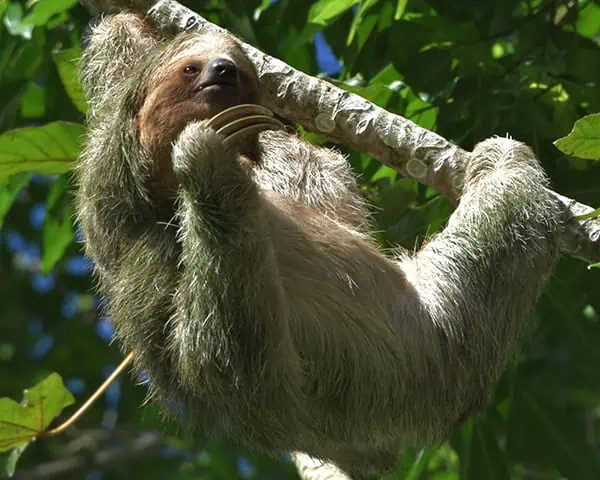
The Osa Peninsula holds roughly half of Costa Rica’s species across just 3 percent of the country’s land, which is why National Geographic has called it the most biologically intense place on Earth. Costa Rica has protected more than 25 percent of its own...
The first thing Carly Crow remembers is the cold. She was thirteen, far from home in southern Georgia, sleeping in a tent under a Wyoming sky as part of a Girl Scouts trip called Wyoming Wildlife Wonders, a journey through Grand Teton and Yellowstone. Then one evening...
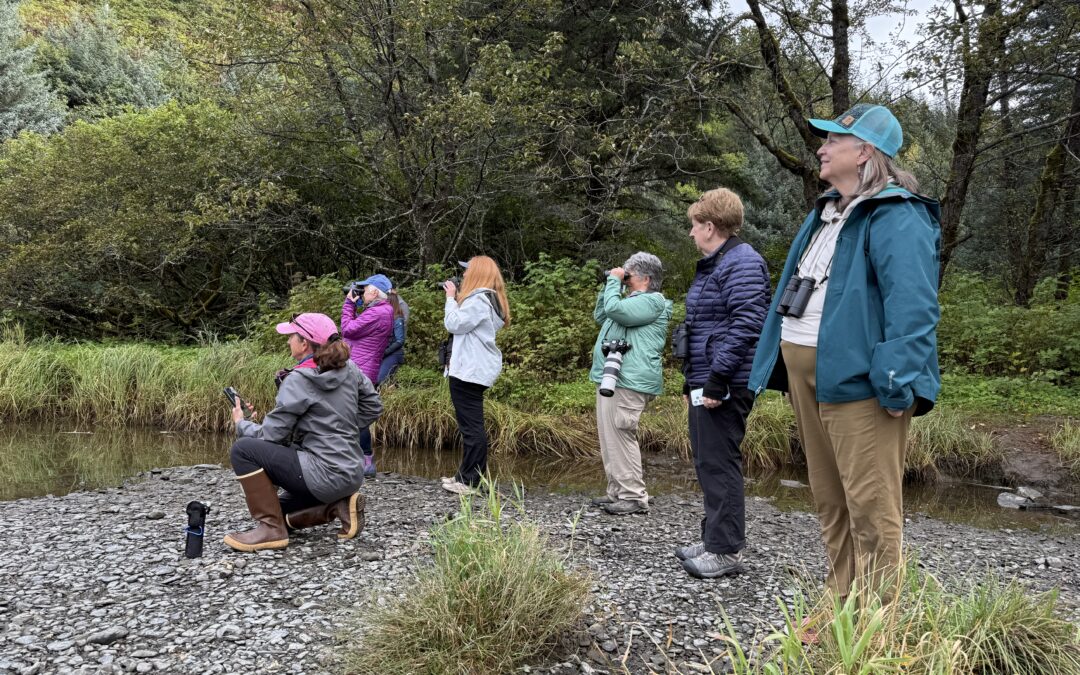
Women travel solo in Alaska every year, and most of them say the same thing afterwards: the scale of the landscape, the quality of the wildlife, and the communities they encountered were nothing like what they expected going in. Alaska has a reputation for being...
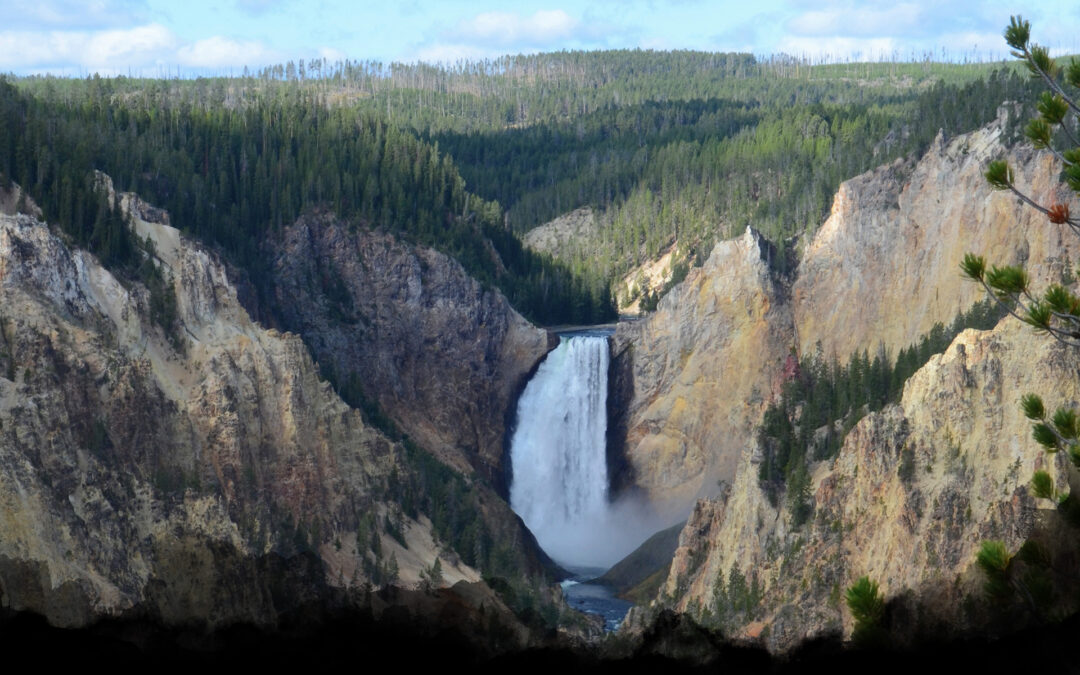
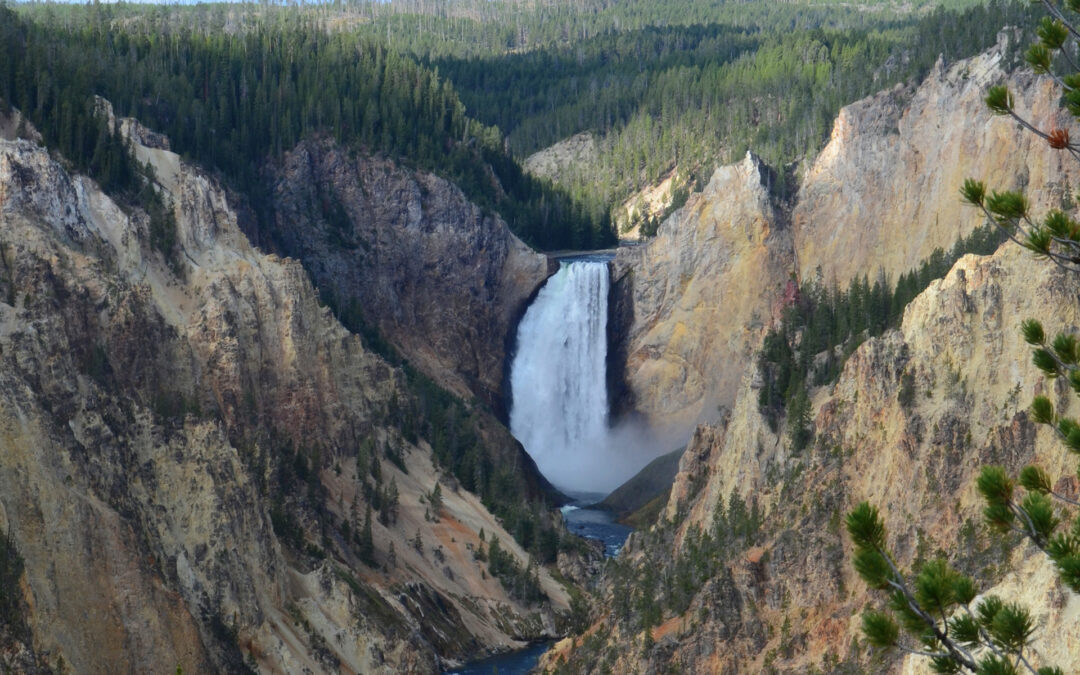
A trophic cascade is what happens when a top predator is removed from or returned to an ecosystem, and the effects ripple through every level below it. In Yellowstone, the reintroduction of wolves in 1995 set off one of the most closely studied trophic cascades in...
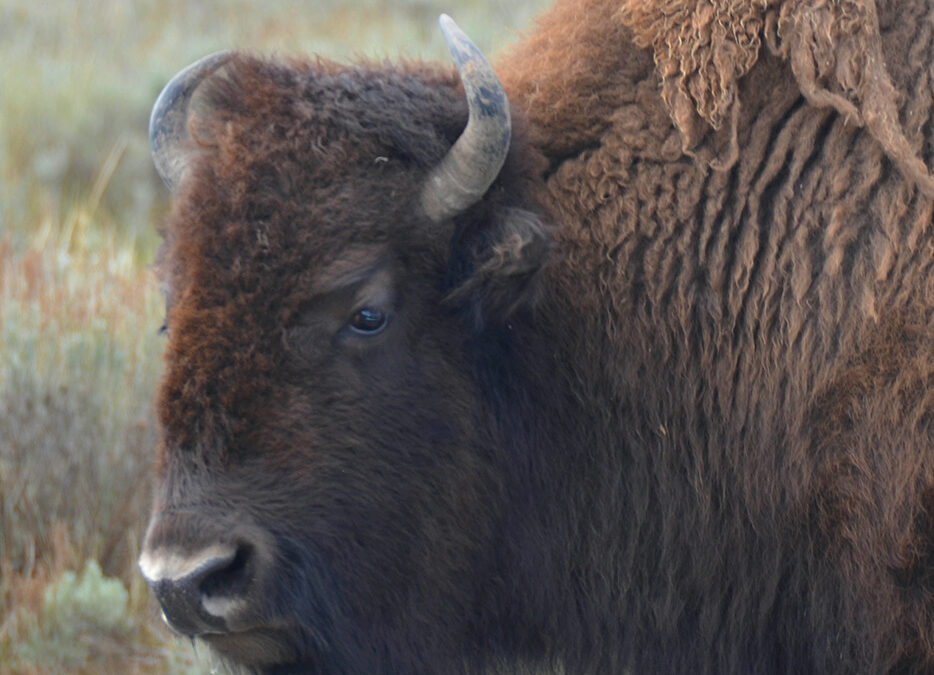
The Yellowstone Big 5 are wolves, grizzly bears, bison, elk, and moose. These are the five species that define what Yellowstone’s ecosystem actually is. Her Wild Life is a women’s adventure travel company that builds its expeditions around field biology....
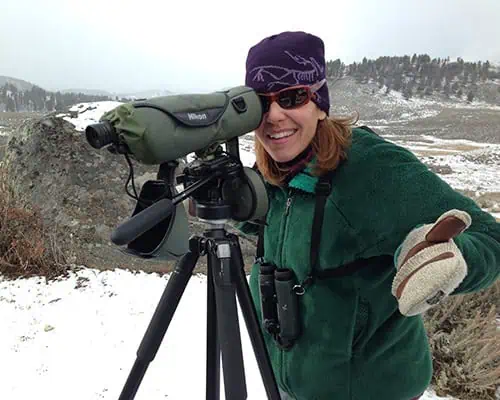
Packing for Yellowstone in October is different from packing for a summer park visit. October means pre-dawn temperatures below freezing, variable weather that can shift from sun to snow within hours, and long hours in the field starting at first light. Her Wild Life...