


Mexico Wildlife Tours for Women — Monarchs, Whale Sharks, and the Wild Side of Mexico
In the highlands of Michoacan, tens of millions of monarch butterflies turn the oyamel fir trees orange.
Mexico is home to two of the greatest wildlife spectacles on the planet. The monarch butterfly overwintering colonies in the highlands of Michoacan are one of the most concentrated wildlife events on Earth. The whale shark gathering off the Yucatan coast is one of the largest seasonal aggregations of the world’s biggest fish.
Her Wild Life Expeditions offers two Mexico wildlife tours for women built entirely around these events. Both are women-only, small-group, and led by expert female naturalists who understand the field biology behind every encounter. Your own private room is always included, with no single supplement charged.
Nearly 20 years of conservation travel | Official ZEISS Optics Partner | A Reefs to Rockies Brand


Why Mexico Is One of the World’s Great Destinations for Women’s Wildlife Travel
Mexico sits at the convergence of North American and Central American ecosystems, giving it extraordinary ecological range. It hosts the overwintering grounds of the longest insect migration in the world and the coastal waters that draw the largest seasonal whale shark aggregation on the planet. These are not tourist attractions. They are biological events driven by ecology.
The two wildlife spectacles Her Wild Life brings women to see in Mexico are predictable, seasonal, and scientifically documented. Monarchs return to the same oyamel fir forests in Michoacan every winter because of thermoregulation: the specific altitude, humidity, and temperature of those forests is what allows the butterfly to survive without burning its fat reserves. Whale sharks gather in the Afuera because warm Caribbean currents produce the mass fish spawning events that feed them. Field biology is why you go to Mexico. Understanding that field biology is why you go with Her Wild Life.
When to Go: Two Wildlife Windows in Mexico
Monarchs peak in January and February when colony density in the oyamel forests is at its highest. Whale sharks peak June through August when the Afuera aggregation reaches its largest. Both departure windows are timed to the biological peak of each species, not to convenient travel dates.
What Makes Mexico Different From Any Other Wildlife Destination
The monarch overwintering colonies in Michoacan are a UNESCO World Heritage Site because there is nowhere else on Earth where this event occurs at this scale. The Afuera whale shark aggregation is one of the largest documented seasonal gatherings of the species in the world. These are not experiences you can have in Mexico. They are experiences that exist only in Mexico.
Her Wild Life Mexico Expeditions — Two Wildlife Spectacles, Two Seasons
Mexico is the only destination in the Her Wild Life portfolio where two entirely separate expeditions are available in two entirely different ecosystems. Book winter for the forests. Book summer for the ocean.
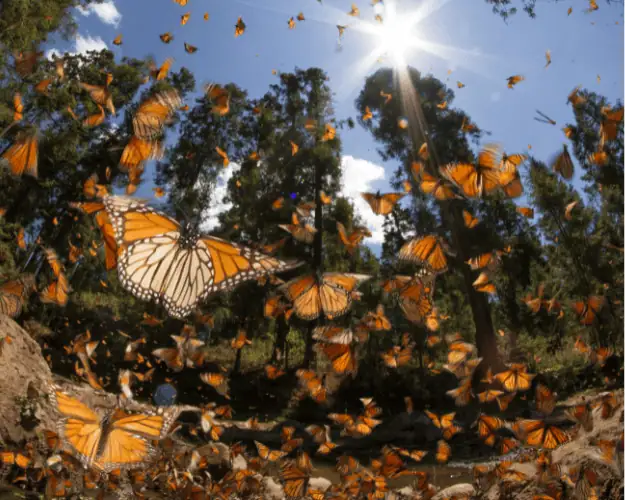
Monarchs of Mexico
Monarch butterfly overwintering colonies in the oyamel fir forests of Michoacan. One of the most concentrated wildlife spectacles on Earth.
Location: Mexico City, Angangueo, Valle de Bravo
Group: 6 to 10 women | Private room included | No single supplement
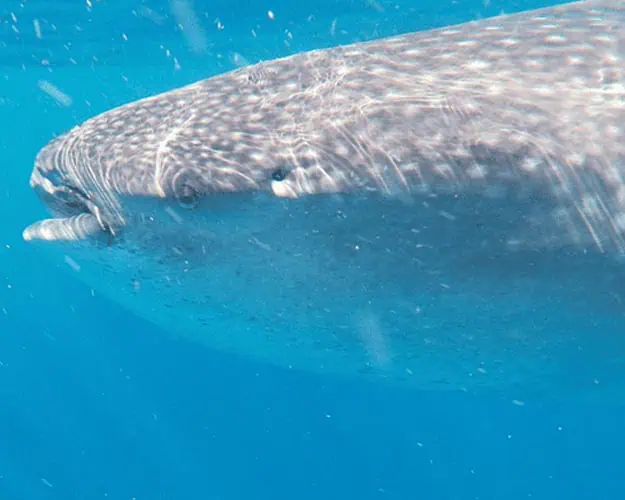
Swimming with Whale Sharks
Open-water snorkeling with whale sharks (Rhincodon typus), the largest fish on Earth, in one of the world’s greatest seasonal gatherings.
Location: Isla Mujeres, Mexico
Group: 6 to 9 women | Private room included | No single supplement
Wildlife You’ll Encounter on Her Wild Life’s Mexico Expeditions
The species below are not attractions arranged for visitors. They are the biological events these expeditions are built around, and they happen in Mexico because of Mexico’s specific ecology.
Monarch Butterfly (Danaus plexippus) — Michoacan Highlands
The longest insect migration in the world ends in the oyamel fir forests of Michoacan. At peak mid-winter density, tens of millions of butterflies cover the trees in a living coat of orange wings.
Read more: Monarch butterfly ecology and conservation status
Whale Shark (Rhincodon typus) — The Afuera, Yucatan Peninsula
The largest fish on Earth, reaching up to 40 feet, gathers in the Afuera during summer as mass fish spawning events produce the plankton blooms and fish eggs that feed them.
Read more: Whale shark ecology, the Afuera aggregation, and responsible encounters
Oyamel Fir Forest (Abies religiosa) — The Ecosystem Behind the Migration
The oyamel fir forest is not the backdrop to the monarch colony. It is the reason the colony exists in Michoacan and not somewhere else.
Read more: Why this specific forest makes the migration possible
Marine Life of the Afuera — The Ecosystem Behind the Sharks
The whale sharks do not gather in the Afuera by chance. The open water beyond the Yucatan reef is one of the most productive fish spawning environments in the Caribbean during summer.
Read more: What else is in the Afuera ecosystem during whale shark season
Two Mexico Expeditions, Two Completely Different Wildlife Worlds
Mexico is one of the destinations in the Her Wild Life portfolio where two separate wildlife expeditions are available, in different seasons, in different ecosystems, for entirely different reasons. Most women who come for one return for the other.
If You Want the Forest: Monarchs of Mexico
This expedition is for the woman who takes butterflies and insects as seriously as she takes mammals. Who has wanted to stand inside a monarch colony for years and understands that what she is going to witness is one of the least-explained navigational feats in the animal kingdom. It is physically moderate, but demands patience, an early start, and a genuine appetite for stillness in the company of thirty million wings.
If You Want the Ocean: Swimming with Whale Sharks
This expedition is for the woman who wants to float in open Caribbean water and watch the largest fish on Earth feed on plankton a few meters away. She knows the difference between a whale shark and a great white, and she wants neither reassurance nor adrenaline. Open water comfort is required. Scuba certification is not.
Women Only Trips to Mexico — Expert-Led, Fully Managed, Wildlife-First
Women traveling solo to Mexico often carry concerns shaped by general travel headlines. Her Wild Life’s Mexico expeditions are not independent travel. From arrival to departure, every transfer, accommodation, and field movement is managed by the guide team. You are never navigating Mexico alone.
The wildlife focus changes the solo travel dynamic entirely. A Her Wild Life expedition moves between field sites under expert guide management. Your job is to watch, listen, and be present for the wildlife event the expedition is built around. Everything else is handled.
Private Rooms Included on Every Mexico Departure
On the monarch expedition, you sleep in a highland lodge near the butterfly sanctuaries. On the whale shark expedition, your accommodation sits on the Yucatan coast. On both, your room is private, included in the trip price, and carries no single supplement.
Small Groups, Big Wildlife
Her Wild Life Mexico expeditions run with 6 to 10 women. The monarch colony sanctuaries in Michoacan operate under visitor number restrictions to protect the butterflies. A small group gets closer and spends more time with the colonies than a large coach group ever could. The whale shark encounters in the Afuera are governed by the same logic: small group water entries are the responsible protocol.
Wildlife Photography in Mexico — Monarchs and Whale Sharks on Camera
Mexico presents two photography challenges that have almost nothing in common except the country. The monarch colonies require patience and low forest light: the best images come from the morning transition when a cold colony warms and moves from dormant cluster to airborne flight, a window that lasts minutes. Whale shark photography is about scale and open water: communicating the size of the animal relative to the snorkeler, managing direct Caribbean sun, and reading the shark’s movement to be in position before it surfaces.
What both situations share is that the photographic opportunity depends entirely on field biology. The guide’s knowledge of what is about to happen, and her ability to position the group ahead of it, is the difference between a photograph that captures the moment and one that captures the aftermath.
Photography Guidance From Your Expert Field Guide
Her Wild Life guides know when the colony is about to move and where to stand to be inside that movement. On the water, the guide reads the shark’s feeding trajectory and positions the group ahead of its approach. Field biology expertise is the photography advantage. You arrive in a better position because someone who understands the animal got you there first.
Conservation in Mexico — What We Support and Why It Matters
A conservation donation is made on behalf of every woman who travels with Her Wild Life. In Mexico, that donation matters because both species at the heart of our expeditions are under active conservation pressure. The monarch butterfly was assessed as Endangered by the IUCN in 2022. The whale shark carries the same status. Traveling to see them now, with a conservation-centered operator, directly supports the programs working to ensure they remain.
Specific, Accountable Conservation Practice.
Her Wild Life brings nearly twenty years of conservation-centered, sustainable travel practice to every expedition. In Michoacan, conservation work focuses on protecting the oyamel forests, supporting farming communities in the biosphere reserve buffer zone, and restoring milkweed habitat along the North American migration corridor. In the Afuera, permit-based encounter systems manage human impact on the aggregation, and individual whale shark identification research tracks population health over time. Named local conservation partners for both Mexico ecosystems will be confirmed before this page is published.
Responsible Wildlife Viewing in Mexico
At the monarch sanctuaries, Her Wild Life follows Monarch Butterfly Biosphere Reserve visitor protocols: designated trails, quiet movement through colony zones, no touching of butterfly clusters. At the Afuera, encounters follow Mexico’s regulated whale shark permit system: small group water entries, no contact, time limits, and engine protocols that protect the sharks’ feeding behavior. In both cases, the responsible viewing protocol is not a restriction on the experience. It is the reason the experience is as close and as natural as it is.
Planning Your Mexico Wildlife Trip — What to Know
Best Time to Visit Mexico for Wildlife
Monarchs peak in January and February. Whale sharks peak June through August. Both departure windows are timed to the biological peak of each species. Her Wild Life does not schedule departures outside the periods when the wildlife is reliably present.
Read more: Full timing breakdown for both expeditions
Activity Level and Physical Requirements
The monarch expedition is moderate in activity level. The primary consideration is altitude: colony sites sit at approximately 9,000 to 10,000 feet above sea level. The whale shark expedition is also moderate: open-water comfort is the primary requirement, not swimming fitness. Her Wild Life provides full activity level detail for each departure when you inquire.
Read more: Altitude, open water, and what to expect in the field
What to Pack for Mexico Wildlife Expeditions
Monarchs: layer for cold highland mornings and warm midday sun. Waterproof outer shell, fleece, thermal base layer, and sturdy walking shoes for uneven forest paths. Whale sharks: light tropical clothing, reef-safe sunscreen (conventional sunscreen may be restricted in the Afuera zone), and a rash guard for sun protection in the water.
Read more: Full packing list for both expeditions
For the monarch expedition, binoculars are useful but not essential: the colonies are visible at close range. A camera with a lens that handles low forest light well is more useful than one optimized for long distance. For the whale shark expedition, snorkeling mask and fins are often provided as part of the expedition but confirm this when booking. A dry bag protects camera equipment on the water.
Expert Women Who Know Mexico’s Wildlife
Her Wild Life guides know these ecosystems the way field biologists learn a place: by returning across multiple seasons, by reading behavioral cues before the visible event, and by understanding the ecological relationships that make each encounter possible. On the monarch expedition, your guide reads the morning light to know when the colony is about to warm and move. On the water, she reads the shark’s surface behavior to position the group before the animal arrives.
Her Wild Life guides bring diverse backgrounds, global perspectives, and a shared love of adventure to every expedition. Their field expertise is specific to the ecosystems where they work.
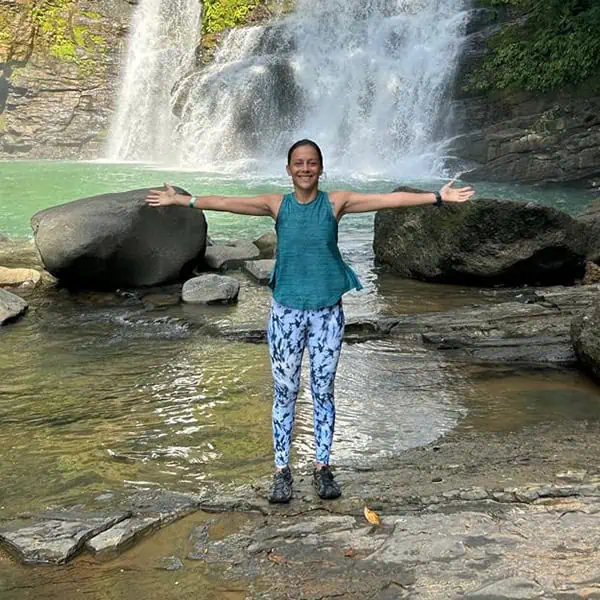
Arlet Quiros Calvo

Cara McGary
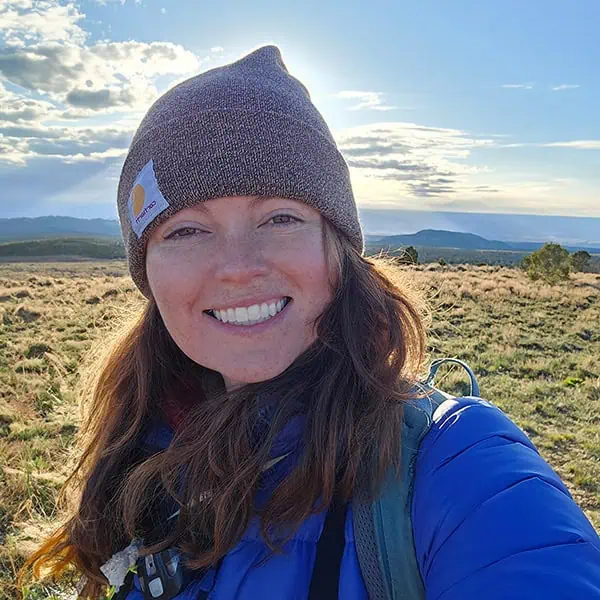
Carly Crow
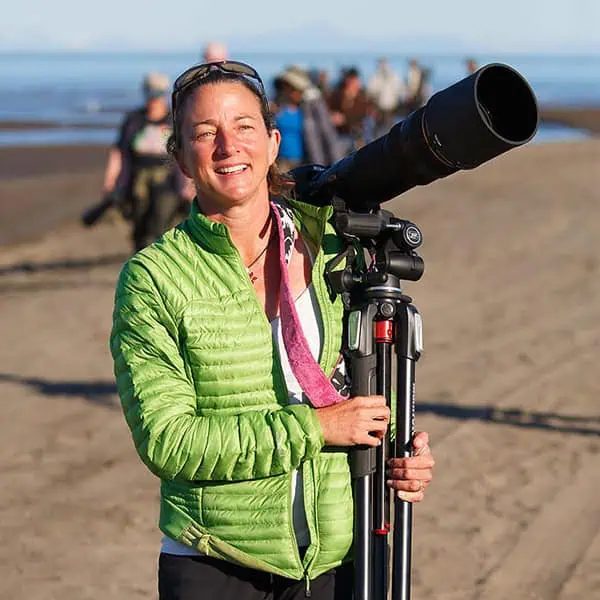
Michelle Theall

Naara Arroyo
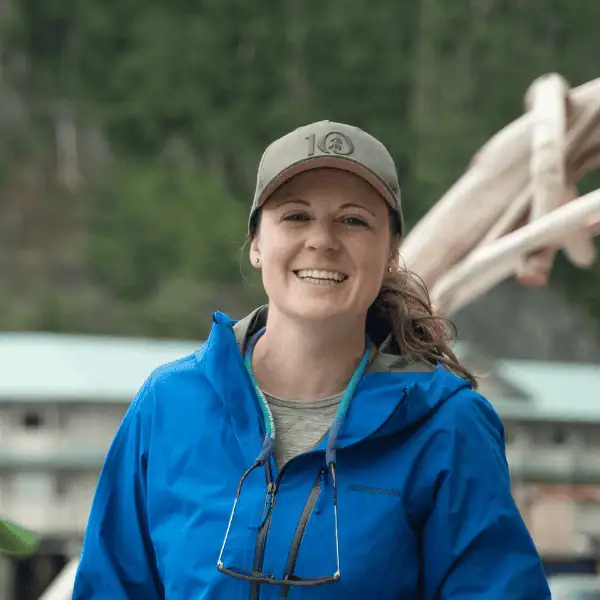
Pam McGarel
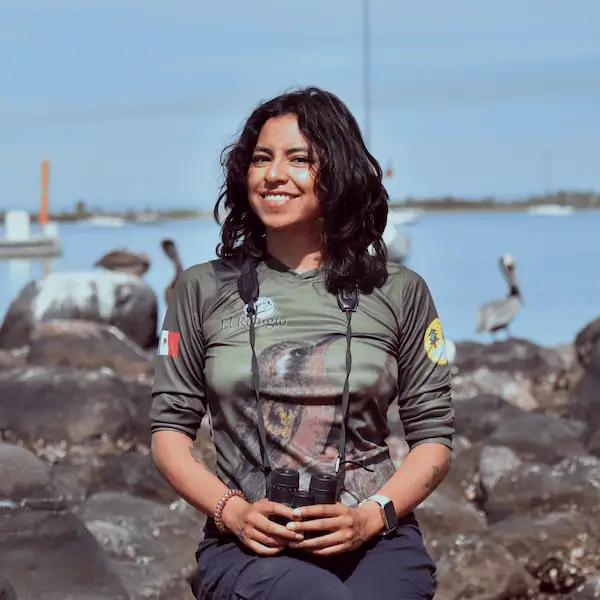
Pamela García
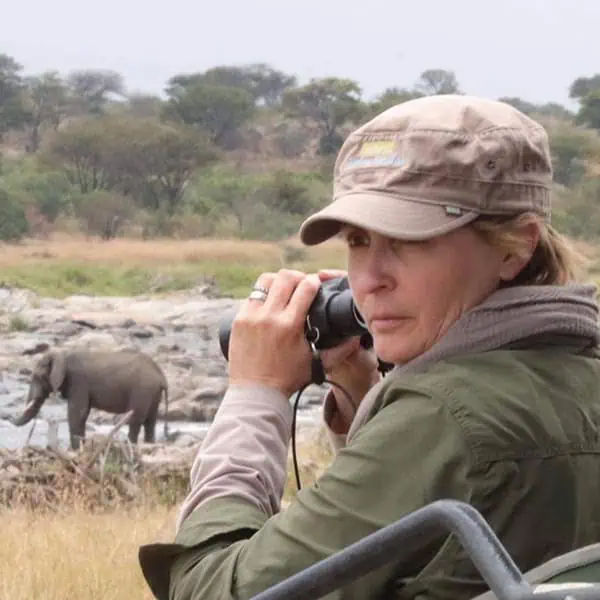
Sheridan Samano
What Women Say About Her Wild Life’s Mexico Expeditions
Frequently Asked Questions — Mexico Wildlife Tours for Women
I want to see monarchs and whale sharks. Can I do both on one trip?
What makes the monarch migration a wildlife spectacle rather than just a nature walk?
Is it safe to swim with whale sharks?
Do I need to be able to swim well to join the whale shark expedition?
Will the altitude affect me on the butterfly expedition?
Is Mexico safe for solo women travelers on a Her Wild Life expedition?
Mexico’s general travel safety reputation is shaped by specific areas and situations that Her Wild Life expeditions do not involve. The expedition moves between field sites and accommodations under expert guide management. All transfers are arranged by the guide team. Participants are never navigating Mexico independently. Her Wild Life has operated solo travel trips for women in Mexico across multiple seasons without safety incident.
Are monarch butterflies really endangered?
How is Her Wild Life different from other Mexico wildlife tour operators?
Three specific differences. Her Wild Life builds the entire itinerary around the biological peak of the wildlife event, with guides who understand the ecology behind what you are seeing rather than generalist leaders who add a butterfly visit to a ruins tour. The women-only small group format runs with 4 to 10 women, not a mixed coach, creating the quiet and patient field dynamic that both the monarch sanctuaries and whale shark encounters require. And private rooms are included in the trip price with no single supplement. These are what women’s wildlife trips in Mexico look like when they are built from the field up.
Where is the best place to go in Mexico for a girls trip?
Mexico has two wildlife spectacles worth planning a trip around: the monarch butterfly overwintering colonies in the Michoacán highlands and whale shark season off the Yucatán Peninsula. Her Wild Life runs expeditions to both, timed around peak wildlife activity, with small groups of women and private rooms always included.
taina B
February 06, 2025

an incredible trip with Sheridan our leader and local guides learning about the endemic species and wonderful people of Mexico. Will definitely be attending other trips!
Jennifer D
Apr 11, 2025
Such a special trip! Well-organized with lovely accommodations that were within walking distance to sites, food, museums and parks. Just the right sized group which made our itinerary more personalized and easier to get acquainted with everyone. Getting to see the monarch butterflies was truly breath-taking and a most special girls' trip.
Sophia R
February 03, 2025
I had an amazing time. What I thought I was getting and what I got were beyond comparison. This trip exceeded my expectations in every way. The guides, the food, the butterflies were all fantastic.
Linda R
Jan 22, 2023
This trip was a real pleasure! It was well organized, with lovely accommodations both in CDMX and Valle de Bravo, comfortable transportation, and cordial and knowledgeable guides. The food was always good and sometimes amazing! Visiting the monarch preserves was a truly awe inspiring experience.
Ready to See Mexico’s Wildlife?
Two expeditions. Two ecosystems. Two of the most extraordinary wildlife events on the planet, each timed to its biological peak.
In January, the trees in Michoacan are orange with thirty million wings. In July, a whale shark moves through a cloud of fish spawn in open Caribbean water a few meters from where you are floating. Both of these things happen because of ecology. Her Wild Life puts you inside both.