


South America Wildlife Tours for Women — Expert-Led, Photography-Focused, Women-Only
In southern Patagonia, pumas hunt across open steppe, condors follow thermals above ancient granite, and the summer light lasts long enough to work with.
South America holds some of the most ecologically distinct wildlife on Earth. At the southern end of the continent, Patagonia’s open steppe and Andean foothills support apex predators, endemic deer, and seabird colonies that evolved in near-total isolation over millions of years. Further north, the Amazon basin and Andean cloud forests hold biodiversity that scientists are still describing. South America is a continent where wildlife travel means something different in every ecosystem.
Her Wild Life’s South America wildlife tours are women-only, small-group, and led by expert female naturalists who know their specific ecosystems at field biology depth. Right now, we operate in Patagonia on a photography-led wildlife expedition across southern Chile and Argentina. Every departure is timed around field biology: when species are most active, when the light is at its best, when the wild is most alive. Your own private room is always included. No single supplement.
If you have been looking for women’s wildlife tours in South America that are built around field biology rather than scenic itineraries, this is where that search ends.
Nearly 20 years of conservation travel | Official ZEISS Optics Partner | A Reefs to Rockies Brand


Why South America
South America is one of the most biodiverse landmasses on Earth. The continent spans tropical rainforest, high-altitude cloud forest, open grassland, desert, and sub-Antarctic steppe, and each of those ecosystems holds species found nowhere else. The Amazon basin alone contains an estimated 10 percent of all species on Earth. The Andes is the longest mountain range in the world and produces habitats at every elevation from humid lowland forest to ice-capped peaks. At the southern extreme, Patagonia’s ancient isolation has produced wildlife with behavioral and ecological characteristics unlike anything in the northern hemisphere.
Her Wild Life is drawn to South America because the wildlife here is genuinely extraordinary, and because the field biology required to experience it well is specific and deep. Our South America nature tours are not scenic itineraries with wildlife included. They are field expeditions led by women who know their ecosystems at the level of species behavior, ecological relationships, and seasonal timing. Every departure is structured around what the wildlife is doing, not around what is convenient.
When to Go: Wildlife Timing in South America
Wildlife timing in South America varies significantly by ecosystem and destination. In Patagonia, the Southern Hemisphere summer from November through March brings the best conditions: peak puma activity, active penguin colonies, and the long sub-Antarctic light that makes photography possible across an extended daily window. Her Wild Life schedules every South America departure to the biological peak of its specific ecosystem.
What Makes South America Different From Other Wildlife Destinations
South America’s ecological isolation over tens of millions of years has produced species and ecosystems with no equivalent elsewhere. The pumas of Patagonia hunt across open steppe landscapes with a scale and openness that make wildlife observation accessible in ways it is not in most large predator habitats globally. The Andean condor is the largest soaring land bird on Earth. The guanaco has been the foundation of the Patagonian food web since before humans arrived on the continent. These are not incidental sightings. They are the specific field biology encounters that women’s wildlife tours in South America with Her Wild Life are designed to deliver.
Her Wild Life South America Expeditions — Women-Only, Wildlife-First
Her Wild Life currently operates one South America expedition, in Patagonia across southern Chile and Argentina.
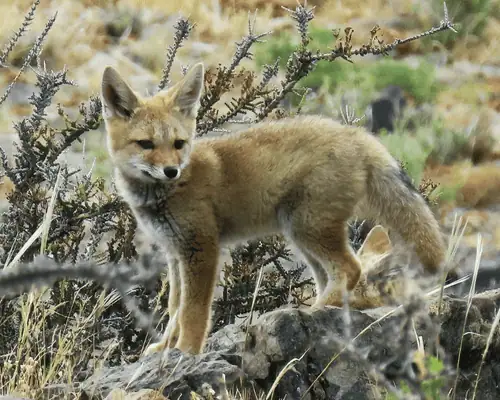
Patagonia — Chile and Argentina
A photography-led wildlife expedition across the Patagonian steppe and Andean foothills of southern Chile and Argentina.
Location: Punta Arenas, Tierra del Fuego, Torres del Paine National Park
Group: Up to 6 women | Private room included | No single supplement
Wildlife You’ll Encounter on Her Wild Life’s South America Expeditions
South America’s wildlife evolved in ecosystems shaped by millions of years of continental isolation and ecological specialization. The species profiled below are the field biology encounters our current South America expedition is built around.
Andean Puma (Puma concolor puma) — Patagonia, Chile, and Argentina
Chile banned puma hunting in 1980. The population recovery in Torres del Paine over the four decades since has made careful observation in open terrain possible in ways it is not in most other large predator habitats globally.
Read more: Puma ecology, behavior, and why Patagonia offers such reliable observation
The puma is Patagonia’s apex predator and the primary regulator of the guanaco population across the open steppe. Its hunting behavior is most active at dawn and dusk, when it works terrain edges and drainage channels where guanacos feed. In Torres del Paine, the combination of legal protection, vehicle habituation over decades, and open landscape means that a guide with specific knowledge of individual puma territories can position a small, quiet group for extended observation at close range. This is field biology knowledge applied over years in the same landscape, not luck. The puma’s presence in these numbers is itself a measurable conservation success: the 1980 hunting ban changed the trajectory of this population, and what you observe in the field is the direct result of that protection.
Andean Condor (Vultur gryphus) — Patagonian Andes
The largest soaring land bird on Earth, with a wingspan reaching 3.3 meters. The thermal corridors produced by Torres del Paine’s granite faces concentrate condors in predictable daily flight patterns that a knowledgeable guide can position a group within.
Read more: Condor ecology, soaring behavior, and conservation context
Andean condors are obligate scavengers, consuming carcasses of guanacos, huemul, and marine mammals and cycling nutrients across vast distances in the process. They are critical to the decomposition and nutrient cycling function of the Patagonian ecosystem. Condors soar on thermal updrafts produced by heated granite faces, traveling hundreds of kilometers daily without flapping. The specific geometry of Torres del Paine’s towers creates reliable thermal corridors that concentrate condors above the same locations each morning. A guide who knows these corridors can position a group in a condor flight path without searching. The condor is classified as Vulnerable on the IUCN Red List, with populations recovering in Chilean Patagonia following legal protection.
Magellanic Penguin (Spheniscus magellanicus) — Patagonian Coast
The most widespread penguin species in Patagonian waters. Breeding pairs return to the same burrow sites year after year, making colony locations stable and predictable across the November to March season.
Read more: Magellanic penguin nesting ecology and field observation conditions
Magellanic penguins excavate burrows or nest under coastal vegetation. In well-managed colonies, they are accustomed to careful, quiet human presence, allowing close observation and photography. The photographic challenge is a ground-level subject in a complex colonial environment: patience and low-angle positioning matter more than telephoto reach. Colony behavior changes across the breeding season, from incubation in October through chick-rearing in December and January, with different behavioral observations available at each stage. Their presence in the Patagonian expedition adds a coastal marine wildlife dimension to the steppe and mountain ecology of the main expedition sites.
Guanaco (Lama guanicoe) — Patagonian Steppe
The ecological foundation of the Patagonian steppe and the primary prey of the puma. Understanding guanaco herd behavior and distribution is the first step in reading the landscape for puma activity.
Read more: Guanaco ecology and its role in the Patagonian food web
Guanacos are the most abundant large mammal of the Patagonian steppe and the keystone species around which the ecosystem’s predator-prey dynamics are organized. Their distribution across the landscape is not random: they move in seasonal patterns driven by grass quality, water, and predator pressure. A guide who reads guanaco herd behavior, specifically the alertness signals that indicate a puma is nearby, is using field biology to predict wildlife encounters. Guanaco herds in open terrain with the Andes behind them are also among the most photographically accessible subjects on the expedition: large, visible, and reliably encountered across the steppe on every field day.
Huemul (Hippocamelus bisulcus) — Andean Forest Margins
The endangered national animal of Chile. Fewer than 2,000 individuals remain in the wild. A sighting requires specific knowledge of the isolated Andean valley systems where remnant populations persist.
Read more: Huemul conservation status and what a sighting means
The huemul is classified as Endangered on the IUCN Red List and features on the Chilean coat of arms as the national animal. It has been reduced to isolated populations in remote Andean valleys and forest-edge habitats by hunting, habitat loss, and competition with introduced livestock. Its extreme shyness makes observation almost impossible without specific local knowledge of movement patterns and regular habitat. A guide with years of field experience across specific Patagonian valley systems improves the probability of encounter significantly. A huemul sighting is not guaranteed on any departure. It is possible in a way, it simply is not without that specific expertise.
Photography-Led South America Nature Tours — Built Around the Light and the Wildlife
Her Wild Life’s current South America expedition in Patagonia is designed around photography as its primary purpose. Every element of the expedition structure, from the timing of departures to the choice of field sites, is informed by photographic as well as biological considerations. You are in the field when the light is best, and the animals are most active, because in Patagonia, those two things happen at the same time.
At southern Patagonian latitudes in summer, the golden hour extends for two to three hours on either side of sunrise and sunset. You are not racing the light. You are working within a long, productive window that rewards patience and positioning. Your guide knows where to be, and being alongside her is part of what makes the experience work.
The Guide’s Field Biology Is the Photography Advantage
Her Wild Life guides are field biologists, and what they bring to the photography is ecological knowledge: which ridge the pumas used at dawn yesterday, which thermal the condors follow on clear mornings, and where the penguin colony is most active before the tide turns. That knowledge puts you in a position before the moment happens rather than after it.
What Equipment Do You Need?
Any camera. Telephoto reach improves results with pumas and condors at open steppe distances. A weatherproof bag matters in Patagonian conditions. Extra batteries are practical in the cold. The equipment matters far less than positioning, which the guide handles. Contact Her Wild Life directly if you want specific equipment guidance before the trip.
Solo Female Travel South America — Women-Only, Expert-Led, Fully Managed
South America is a region where the distances are vast, the transport infrastructure is variable, and navigating between field sites without local knowledge is genuinely demanding. Her Wild Life removes all of that. Every transfer, accommodation, and field movement is planned and managed by the guide team from arrival to departure. Solo female travel in South America with Her Wild Life means arriving ready to observe wildlife, not working out how to get there.
The women who join these wildlife trips arrive not knowing anyone in the group. By the time the first full field day ends, that has changed, because the experience of watching a puma move across the steppe at first light is not something you process alone.
Private Rooms Included — No Single Supplement
Every Her Wild Life South America departure includes a private room in the trip price. You are not charged extra for traveling alone. After a full day in the field starting before dawn in Patagonian conditions, having your own space to rest and prepare properly is standard, not an upgrade.
Up to 6 Women. Small Enough to Matter in the Field.
Her Wild Life expeditions run with a group of up to 6 women. In Patagonia, puma observation depends on moving quietly through open terrain in a small group that does not trigger a flight response.
“Every departure is timed around field biology — when species are most active, when the light is best, when the wild is most alive.”
Expert Women Who Know South America’s Wild Places
Her Wild Life South America expeditions are led by women with field biology expertise specific to the ecosystems you are entering. The guide who leads the Patagonia expedition has spent years in these landscapes, building the specific knowledge of puma territorial patterns, condor thermal corridors, and guanaco herd behavior that makes every day in the field more productive than a general wildlife itinerary could deliver.
Her Wild Life guides bring diverse backgrounds, global perspectives, and a shared love of adventure to every expedition. In South America, they bring something more specific still: years of field work in landscapes that require patience, ecological knowledge, and the ability to read a wild place as it changes across seasons.
Conservation in South America — What We Support and What That Means
A conservation donation is made on behalf of every woman who travels with Her Wild Life. In South America, that contribution is connected to specific conservation history and ongoing work. The puma’s population recovery in Torres del Paine followed the 1980 Chilean hunting ban: the animals you observe in the field exist in these numbers because protection worked and has been maintained. Patagonia National Park, now one of the largest protected areas in the Americas, was created through land donations from Douglas and Kristine Tompkins to the Chilean government. The huemul deer, Chile’s national animal, remains Endangered and is the subject of active recovery programs across both Chile and Argentina.
What is already true: nearly twenty years of conservation-centered travel, responsible viewing protocols built around the specific behavioral needs of each species, and a conservation donation included with every booking.
Responsible Wildlife Viewing in Patagonia
Puma observation follows international minimum approach distance guidelines that protect hunting and denning behavior. Vehicle-based viewing in Torres del Paine follows protocols developed by park management and ongoing research teams. Penguin colony visits follow Chilean park authority guidelines for group size, designated paths, and distances from active burrows. The viewing protocol is not a restriction on the experience. It is the reason the experience is as close and as natural as it is.
Planning Your South America Wildlife Trip — What to Know
Best Time to Visit South America for Wildlife
In Patagonia, the Southern Hemisphere summer from November through March is the right window. Peak puma activity, active penguin colonies, condors riding daily thermals, and the extended golden-hour light make the photography exceptional. Her Wild Life schedules every South American departure to the biological peak of its specific ecosystem and season.
Read more: Why the Southern Hemisphere summer is the window for the Patagonia expedition
November through March brings long days to southern Patagonia. Pumas are most behaviorally active around guanaco foaling in spring and early summer, when territorial animals are maintaining hunting ranges and females with young cubs move more openly. Penguin colonies run from October arrival through March departure, with December and January the most active behavioral periods for breeding. Condors are most visible on summer thermals above the heated granite faces. The sub-Antarctic light at these latitudes extends the productive photography window significantly: the golden hour lasts two to three hours on either side of sunrise and sunset, and the quality of the pre-dawn and post-sunset light across open steppe and the Andes is what draws professional wildlife photographers to Patagonia specifically.
What to Pack
A full waterproof and windproof outer layer is the most important item in your bag for Patagonia. Warm mid-layer, moisture-wicking base layers, sturdy footwear. For photography: extra batteries and a weatherproof camera bag.
Read more: Full packing guidance for the Patagonia expedition
The windproof and waterproof outer shell is non-negotiable in Patagonia at any time of year. A fleece or down mid-layer handles cold mornings and evenings. Moisture-wicking base layers manage the temperature range from pre-dawn cold to warm midday sun. Waterproof footwear with ankle support handles the uneven steppe and forest-edge terrain. For photography: cold temperatures significantly reduce battery performance, so carry significantly more than you think you need. A weatherproof camera bag or rain cover protects equipment in Patagonian rain and wind. A lightweight monopod or tripod improves results with long telephoto lenses in variable wind conditions.
Activity Level and Physical Requirements
The Patagonia expedition is a wildlife photography expedition, not a trekking trip. The physical challenge is primarily environmental: Patagonian wind, cold temperatures, and variable weather rather than long distances. Moderate general fitness and the ability to spend full field days in variable conditions is what is required.
Read more: What to physically expect on the Patagonia expedition
The expedition is structured around vehicle-based travel between field sites with walking at each location. The Patagonian wind is the primary physical factor: it can reach sustained high speeds in exposed locations and makes the effective temperature feel considerably colder than the thermometer reads. Rain, wind, cold, and strong sunshine can occur within the same day. Early starts before dawn are standard on days with good puma and condor conditions. The distances covered on foot are moderate. The environmental challenge is significant and requires proper preparation, but it does not require athletic fitness.
Expert Women Who Know South America’s Wildlife
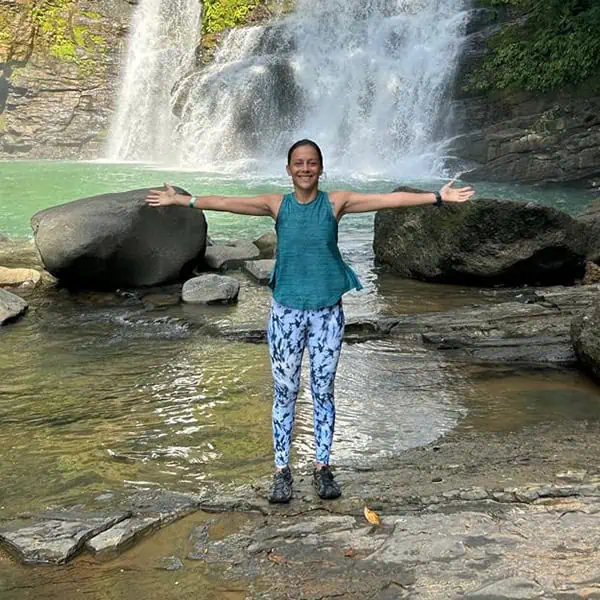
Arlet Quiros Calvo

Cara McGary
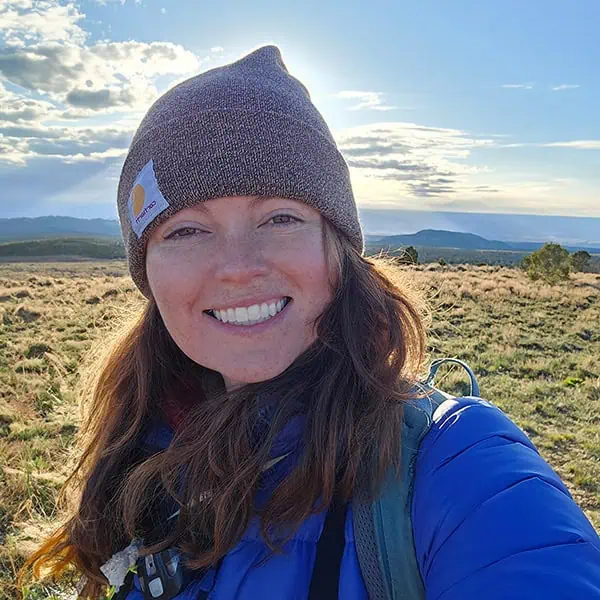
Carly Crow
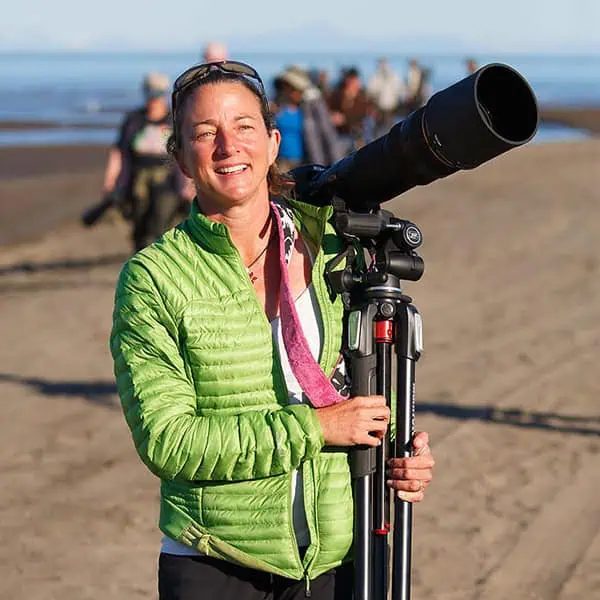
Michelle Theall

Naara Arroyo
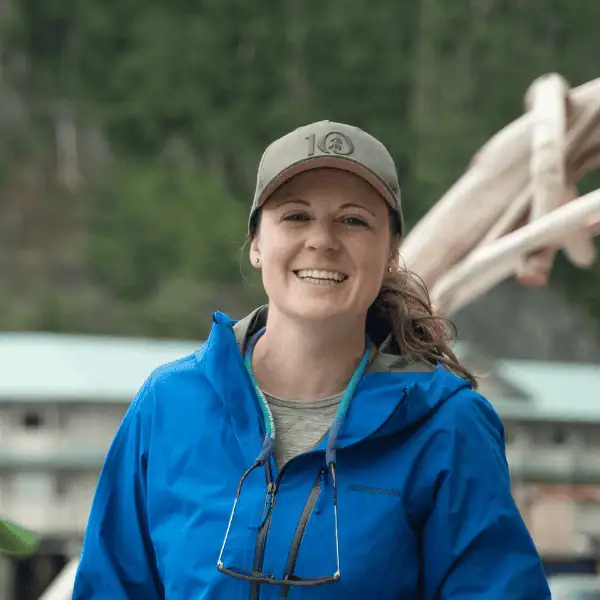
Pam McGarel
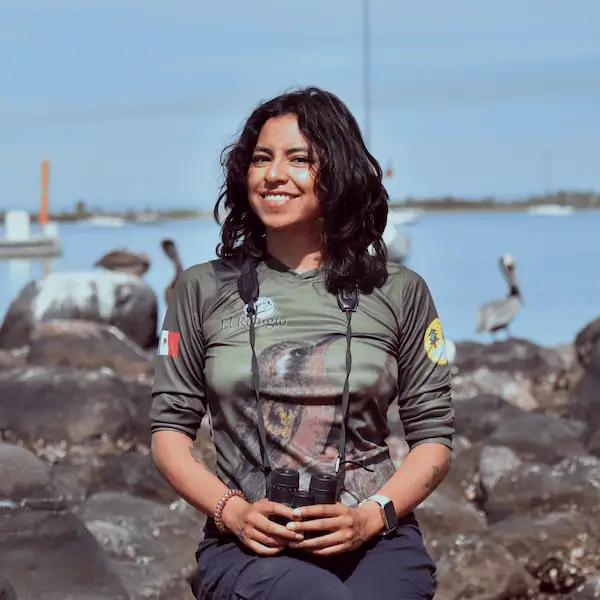
Pamela García
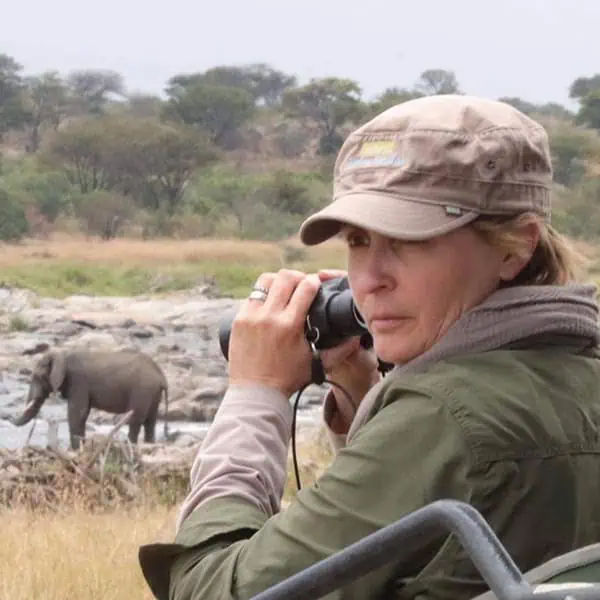
Sheridan Samano
What Women Say About Her Wild Life’s South America Expeditions
Frequently Asked Questions — South America Wildlife Tours for Women
What South America destinations does Her Wild Life currently offer?
Her Wild Life currently offers Patagonia wildlife tours for women across southern Chile and Argentina, on a photography-led wildlife expedition. Check the expeditions page for all current and upcoming departures.
Is this a trekking expedition or a wildlife photography expedition?
Wildlife photography expedition. The Her Wild Life Patagonia expedition is not designed around a trekking route. Daily structure is driven by where the wildlife is, when the light is best, and how to position the group for the encounters the expedition exists to deliver. There is walking on uneven terrain in variable Patagonian conditions. The purpose of movement is wildlife, not mileage.
Is there a realistic chance of seeing a puma?
Puma sightings in Torres del Paine have increased substantially since the 1980 hunting ban. A guide with specific knowledge of puma territories and movement patterns improves the probability of encounter significantly compared to independent travel or a general trekking tour. Sightings are not guaranteed on any specific day. Across a multi-day expedition led by someone who has worked these landscapes for years, the probability of at least one sighting is good. Her Wild Life will not over-promise on wildlife encounters.
What is the Patagonian weather actually like?
Variable and sometimes extreme. The wind is the most significant factor: it can reach sustained high speeds in exposed locations and makes effective temperatures considerably colder than the air temperature alone. Rain, wind, cold, and strong sunshine on the same day is a normal Patagonian experience, not an exception. In summer, the base temperatures are manageable. The expedition is built to operate in these conditions. The light that follows a Patagonian storm, when the sky clears, and the granite towers emerge, produces some of the most striking photographic conditions available in this landscape.
Is Patagonia accessible as a first South America destination?
Yes, with the right structure. Patagonia is logistically demanding as an independent destination: long flights, complex connections, limited transport between sites, and the scale of the region all require local expertise to navigate efficiently. A Her Wild Life expedition handles all of this. International flights to the entry airport are arranged independently, and the guide team manages everything from arrival onward.
Is solo female travel in South America safe on a Her Wild Life expedition?
All transfers and field movements are managed by the guide team. Participants are never navigating South America independently. The expedition moves between specific field sites and accommodations under expert guide management throughout. Her Wild Life has operated expeditions in Patagonia with an established safety record.
Do I need professional photography equipment?
No. Women with every level of photographic experience and equipment join Her Wild Life expeditions. For pumas and condors at open steppe distances, telephoto reach is useful. For penguins and close-range wildlife, any camera produces good results. What determines the photographic quality of the expedition is positioning, which the guide handles. Contact Her Wild Life directly if you want equipment guidance before you travel.
How is Her Wild Life different from other South America wildlife tours?
Three specific differences. Her Wild Life’s Patagonia expedition is led by a female field biologist with specific expertise in Patagonian wildlife ecology and behavior, not a generalist trekking guide. The group is women-only and runs with 4 to 10 women, which is a field requirement in puma habitat as much as a social preference. And private rooms are included in the trip price with no single supplement. Most South American tour operators charge single travelers extra for their own room. Her Wild Life does not.
Where is the best wildlife in South America?
Patagonia sits at the top of the list for serious wildlife travelers. The dramatic landscapes of Chile and Argentina support a range of Patagonian species in one of the world’s most remote and visually striking environments, making it a natural fit for wildlife photography. Her Wild Life runs expert-led South America wildlife tours to Patagonia, designed for women who want genuine field access with an expert female naturalist.
Ready to Experience South America’s Wildlife?
Women-only. Expert female naturalists. Private rooms always included. South America wildlife tours are built around field biology, not scenic itineraries.
Right now, we are in Patagonia, where the pumas are recovering, the condors follow the same thermal corridors every morning, and the guanacos move through the steppe on rhythms that predate human presence on this continent. Small group, expert guide, your own room at the end of every day in the field.