Getting ready for a wildlife expedition for women over 50 takes the same kind of preparation at 55 as it does at 35. What changes when booking is that most women booking their first trip in their 50s or 60s have not done a physically active vacation in a while, so the...
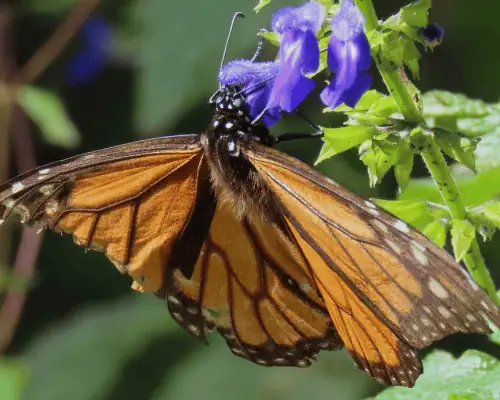
Where do monarch butterflies go in winter? Millions of them fly as far as 3,000 miles from the northern United States and southern Canada to a small cluster of mountain forests in central Mexico, arriving by early November and staying until March. It is one of the...
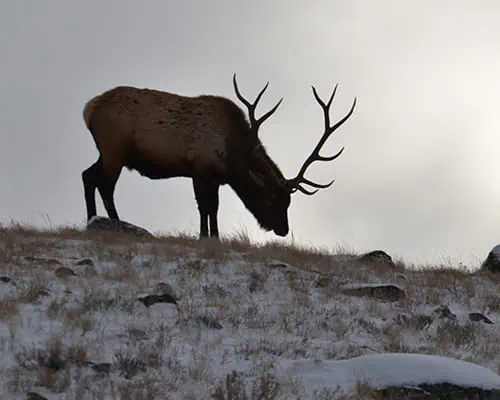
Yellowstone is one of the last places on Earth where an entire large mammal food web still runs the way it evolved to. Six ungulate species and seven large predators share roughly 2.2 million acres, and the relationships between them read less like a nature...
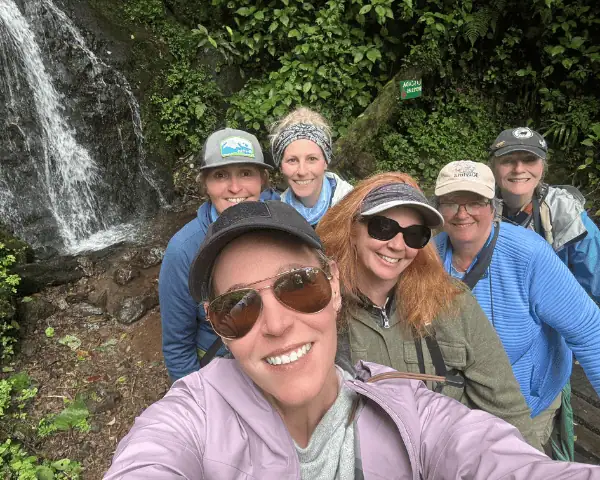
Most guides to what to pack for Costa Rica are written for the whole country, offering one long list that covers the beach, the volcano, and the cloud forest all at once. This one is built around a single, specific trip, one of the Costa Rica trips for women that Her...
Costa Rica covers just 0.03 percent of the planet’s land, yet estimates place its share of the world’s known species between 4 and 6 percent, with the country’s own tourism board citing the figure at nearly 6 percent. These Costa Rica rainforest...
If you have searched “best time visit Costa Rica”, “best time Costa Rica wildlife”, or “when to go Costa Rica”, the honest answer is that it depends on what you want to see. Costa Rica’s wildlife season splits into two halves, and dry season and wet season shape...