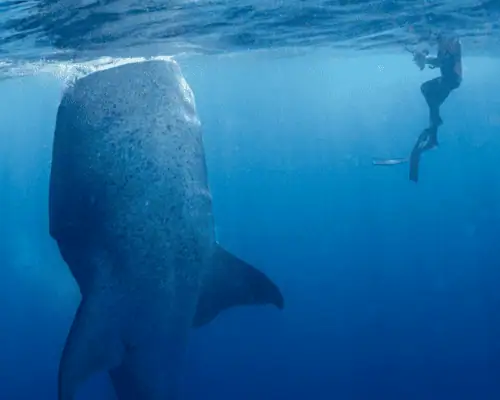
Whale sharks are the largest fish on Earth and one of the most studied. They are also filter feeders, which is the single most important thing to understand before swimming with whale sharks in Mexico. Their diet is plankton, fish eggs, and tiny marine organisms. They...
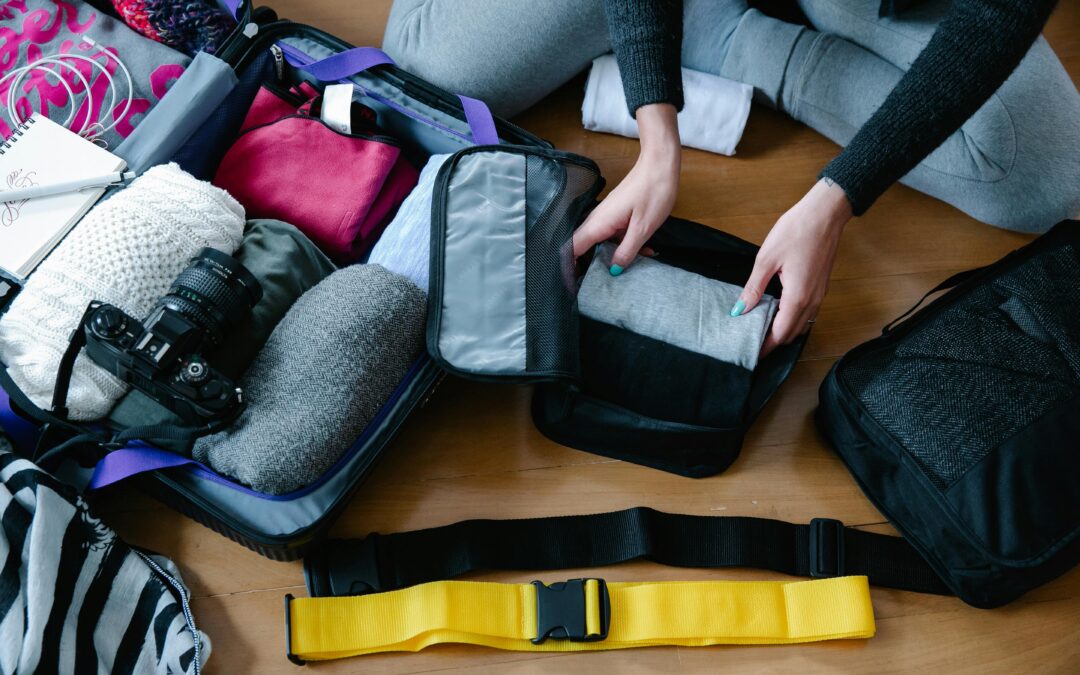
The packing list for a women’s wildlife expedition is more specific than a general travel checklist and shorter than most women expect. What you need depends on where you are going, what you will be doing when you get there, and when. A sunrise at a sandhill...
Staying safe as a solo female traveller comes down to a small set of repeatable habits across planning, accommodation, and transport – most of which you can put in place before you leave home. The women who travel with Her Wild Life come from every background...
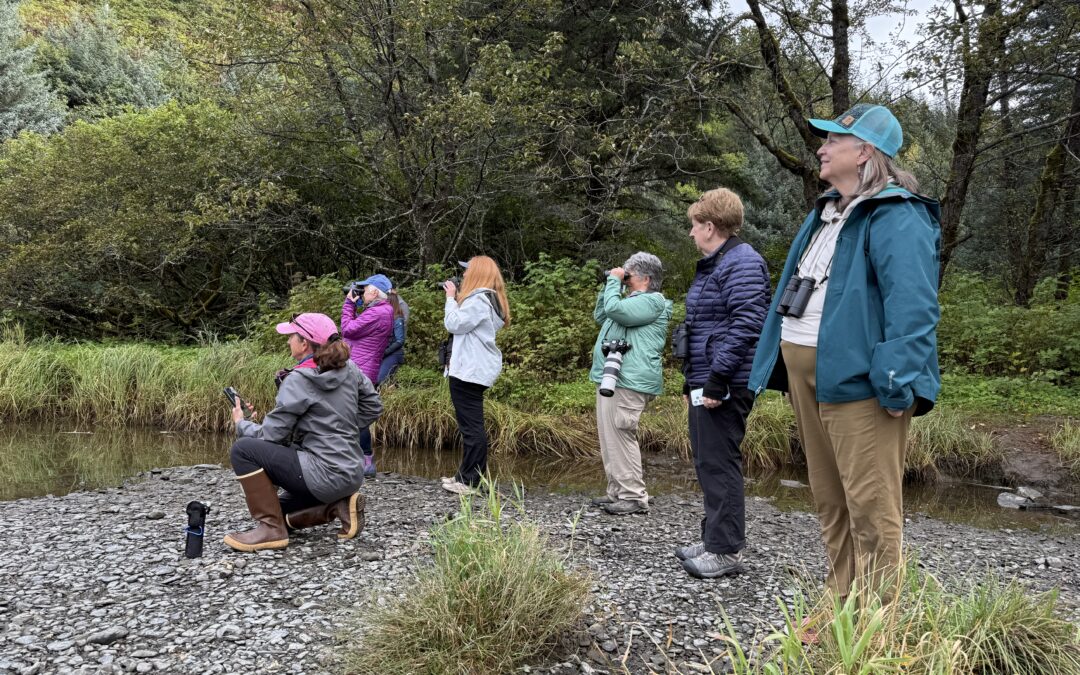
Binoculars are not mandatory for wildlife travel, but they change what you are able to see. For birding, marine wildlife, and animals viewed across open landscapes, a good pair turns a distant shape into a species. For most women’s wildlife trips, we consider...
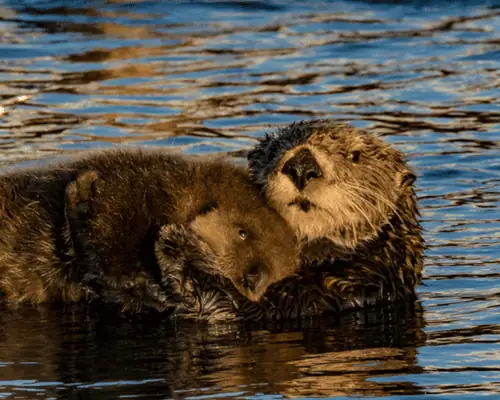
The best time to visit Vancouver Island for wildlife is late spring through early fall, when marine mammals, coastal birds, and bears are most active. During this period, the island’s coastal ecosystems are at their most dynamic, offering consistent opportunities to...
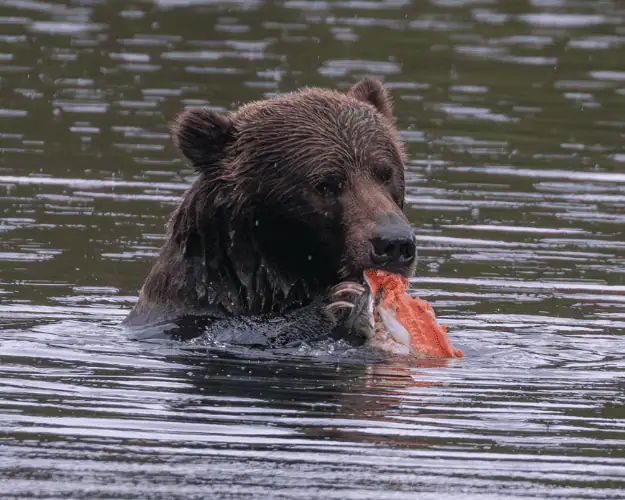
Polar bears are generally considered the largest bear species overall, but Kodiak bears can rival them, and the largest individuals from each species can overlap in size. How “bigger” is measured matters—average size, maximum recorded size, or height versus weight all...