

Planning a mother-daughter wildlife trip is a different exercise from planning a general vacation. You are not just choosing a destination you both like. You are aligning two people’s physical pace, wildlife interests, and expectations of what a day in the field actually looks like. Get that alignment right before you book, and the trip delivers. Here is how to approach the planning from the start.
Start With the Wildlife: Not the Destination
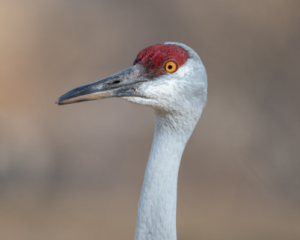
The most common planning mistake is starting with a place and working backwards to the wildlife. For a trip worth making, reverse that. Start with the species or event you most want to see together: sandhill cranes rising from a Nebraska river at dawn, brown bears fishing a salmon run in Alaska, monarch butterflies settling in a Mexican highland forest. Let that anchor the destination and the dates. Wildlife has windows. A destination does not. Finding women’s wildlife expeditions by species and season is a faster way to find the right fit than browsing by location. If you are looking for inspiration on where those windows fall, see the best wildlife destinations for mother-daughter trips by season and species.
Choosing the Right Season
Once you have the wildlife anchor, the season chooses itself. Monarch butterflies peak from January to February in the Mexican highlands. Sandhill cranes concentrate on the Platte River through mid-March. Kodiak brown bears fish for the salmon run through September. These are not flexible windows. A mother-daughter vacation planning guide that treats timing as a preference rather than a field biology fact will steer you wrong. Book around the wildlife window first, then fit the logistics around it.
How to Talk About Physical Expectations Honestly
This conversation is worth having before you commit to a departure. Her Wild Life trip pages describe physical demands specifically: daily terrain, distance, pace, and what a typical field day involves. Read that detail together. If one of you has a concern about a particular trip, raise it when you inquire. The right operator will walk you through the activity level honestly and help you find a departure that works for both of you. Planning a wildlife trip with mom means arriving with the same picture of what the days actually look like, and seeing what mother-daughter trips include.
The Packing Conversation – What Two Women Need in the Field
Packing for a mother-daughter wildlife adventure trip is practical, not complicated, but it works better when you coordinate. Layering systems matter more than individual items. Early morning field time in Yellowstone in October and midday Yellowstone in October have very different temperatures. Talk through footwear before you arrive, because the gap between the right and wrong boots becomes obvious by day two. Her Wild Life sends a detailed kit list with every booking, so neither of you is guessing.
Making the Most of the Time Together
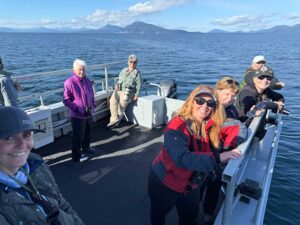
The wildlife structures the day, and that is one of the things that makes these trips work so well for mothers and daughters. You are not filling time. You are following something. Early mornings in the field, shared sightings, evenings comparing notes on what you saw. The conversations that happen on a wildlife trip tend to be different from the ones that happen on a beach holiday, because you are both paying attention to the same thing at the same time.
Questions to Ask the Operator Before You Book
Ask specifically about group size, guide credentials, and how physical concerns are handled partway through the trip. Ask whether private rooms are standard or an upgrade. Ask what the most common feedback is from pairs traveling together. An operator who has run these trips before will have clear, specific answers. Mother-daughter trip tips that skip this step leave too much to chance.
How Her Wild Life Handles the Logistics
Private rooms are standard on every Her Wild Life departure, no single supplement, no exceptions. Ground transfers, accommodation, and daily structure are all handled. You and your travel companion arrive, and the itinerary is already running. If something changes in the field due to weather, wildlife behavior, or access, the guide team adapts in real time. The only thing you need to bring is the decision to go.