

The packing list for a women’s wildlife expedition is more specific than a general travel checklist and shorter than most women expect. What you need depends on where you are going, what you will be doing when you get there, and when. A sunrise at a sandhill crane blind on the Platte River in Nebraska requires different preparation from a September morning on the Kodiak coastline or a morning in open water off the Yucatan Peninsula with whale sharks.
This guide covers everything that belongs in your bag: clothing, footwear, optics, day bag essentials, documents, and what to leave behind. Her Wild Life also sends every traveler a destination-specific pre-departure pack before each expedition, so you will never pack without knowing exactly what the field conditions require.
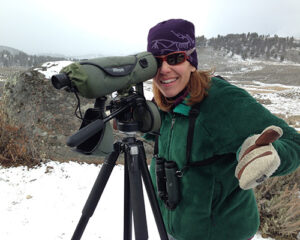
What this guide covers:
- Clothing and layers
- Footwear
- Optics and cameras
- Day bag essentials
- Documents and safety kit
- Toiletries and first aid
- What to leave behind
Clothing and Layers
Layers are the most important decision you will make when packing for a wildlife trip. Our women’s wildlife expeditions are built around early mornings, and field temperatures shift significantly between before dawn and midday. The right clothing system keeps you in the field and focused on what you came to see.
The core layering system for most Her Wild Life expeditions:
| Layer | Purpose |
What to look for |
|---|---|---|
| Base layer | Moisture management | Quick dry, not cotton |
| Mid layer | Insulation | Fleece or packable down that compresses small |
| Outer shell | Wind and water resistance | Lightweight, packable, muted color |
All three should compress into your day bag. You will add and remove them as conditions change throughout the day.
Field conditions by expedition:
| Expedition | Conditions | Key clothing note |
|---|---|---|
| Kodiak, Alaska (September) | Coastal mornings in the mid-30s, wind off the water | Full layering is essential |
| Yellowstone (October) | Cold mornings, variable afternoons | Mid-layers are worth having |
| Nebraska (February to March) | Before dawn, crane blinds can be very cold | Prioritize warmth above all else |
| Monarchs of Mexico (January to February) | Highland forests are cold at dawn and at altitude | Do not underestimate the elevation |
| Whale Sharks, Yucatan (June to August) | Warm and humid | Light layers for boat travel |
| Costa Rica / New Mexico | Warm days, cool mornings | Insect protection essential |
Full clothing list for a woman’s wildlife trip:
- 2 to 3 quick-dry base-layer tops
- 1 insulating mid-layer
- 1 wind and water-resistant outer shell
- 1 to 2 pairs of field trousers that dry quickly
- 1 casual option for evenings
- Enough underwear and socks for the trip
- Warm hat and gloves for cold-weather departures
- Sun hat for open landscape and boat departures
- Swimwear for water-based expeditions
One note on color: neutral and earth-toned clothing performs better in the field. Bright colors can affect wildlife behavior and draw unwanted attention during encounters.
Footwear
Two pairs of footwear cover almost every Her Wild Life expedition. A broken in pair of waterproof hiking boots handles all field days. One lighter shoe handles everything else – lodge time, town visits, travel days, and boat boarding.
| Footwear | When you need it |
|---|---|
| Waterproof hiking boots, broken in | All field days on varied terrain |
| Lightweight travel shoe or sandal | Lodge time, town visits, travel days |
| Water shoes with grip | Water entry days on whale shark and coastal expeditions |
The most consistent piece of advice from women who have come back from their first expedition: break in your boots before you leave. A full day on varied terrain in new boots is a significant distraction from the experience. Comfort in the field is what keeps you present.
Your guide team will confirm specific footwear requirements in your pre-departure pack.
Optics and Cameras
Binoculars
Binoculars are worth bringing on almost every Her Wild Life expedition. For birding departures, they are essential. For mammal and marine wildlife departures, they extend what you can see across open landscapes and from boat decks.
| Expedition | Binoculars priority |
|---|---|
| Nebraska, New Mexico, Costa Rica | Essential – birding focused |
| Kodiak, Yellowstone, Vancouver Island | High – open landscape and boat viewing |
| Whale Sharks, Yucatan | Lower priority – water-based encounters |
Her Wild Life is an Official ZEISS Optics Partner. For a destination-specific recommendation, ask your guide team when you inquire. We also have a full guide to choosing binoculars for wildlife travel.
Cameras
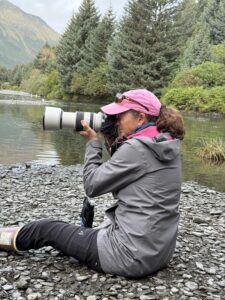
Bring what you already know how to use. A good phone camera handles many wildlife moments well in good light. A longer zoom lens helps on open landscape departures like Yellowstone, Kodiak, and Nebraska. A waterproof case or dry bag protects your gear on any boat-based expedition.
Bring at least two memory cards and back up photos each evening on longer departures. Carry a spare camera battery. Field days are long, and batteries drain faster when you are photographing and navigating in the cold.
Day Bag Essentials
A small, comfortable day bag is the most-used piece of kit on any wildlife expedition. On field days, it holds your layers, water, snacks, camera, and anything else you need access to without returning to your room. Keep it light enough to carry for a full day without thinking about it.
Her Wild Life day bag checklist:
- Power bank – phone batteries drain fast in the cold and when photographing
- Reusable water bottle
- Binoculars
- Camera or phone
- Sunscreen for the destination and conditions
- Insect repellent for rainforest and wetland departures
- Snacks for long field sessions
- Layers not currently being worn
- Any medications needed during the day
- Dry bag liner for any boat-based day
On coastal and boat-based expeditions – Vancouver Island, whale sharks, Kodiak – anything you care about keeping dry belongs inside a waterproof liner. Salt water and spray reach everything.
Documents and Safety Kit
Essential documents for women traveling on wildlife expeditions:
- Passport, valid for at least 6 months past your travel dates
- Digital copy of your passport stored offline on your phone
- Travel insurance documents accessible without a signal
- Visa documentation where required
- Emergency contacts saved offline
- One card and a small cash reserve kept separately from your main wallet
Simple safety habits that matter:
- Share your itinerary with someone at home before you leave
- Check in with them regularly while you travel
- Know the local emergency number for each destination
- Keep prescription medications in your carry-on luggage, never in checked bags
- Read your travel insurance policy before you leave – some have altitude or activity exclusions worth knowing about
Her Wild Life coordinates all ground transfers and daily logistics from arrival to departure. Having someone at home with your schedule is a good habit regardless.
Toiletries and First Aid
Keep toiletries in travel sizes.
Toiletries checklist:
- Sunscreen appropriate for the destination and conditions
- Insect repellent (essential for Costa Rica, New Mexico wetlands, Vancouver Island)
- Lip balm for cold weather and high altitude departures
- Quick-dry travel towel
- Standard personal toiletries in travel sizes
Basic first aid kit:
- Pain relief
- Antihistamines
- Blister care
- Antiseptic wipes
- Rehydration sachets for hot weather departures
- Any prescription medications you take regularly
- Malaria prophylaxis if required – check with your doctor well before travel
Her Wild Life flags all destination-specific health considerations in your pre-departure information. If you have severe allergies or specific medical requirements, tell your guide team before you depart.
Every Her Wild Life expedition comes with a pre-departure information pack covering destination-specific conditions, gear notes, and field preparation for that exact departure.